New York office interior design continues to evolve as companies seek workspaces that reflect innovation, efficiency, and a strong identity. In a city known for its fast-paced business culture and competitive corporate landscape, office design plays a crucial role in shaping employee performance, attracting top talent, and enhancing brand value.
This article presents seven professional recommendations focused on elevating New York workspaces through thoughtful planning, modern aesthetics, and evidence-based design strategies.
1. Prioritize Space Optimization for High-Density Work Environments
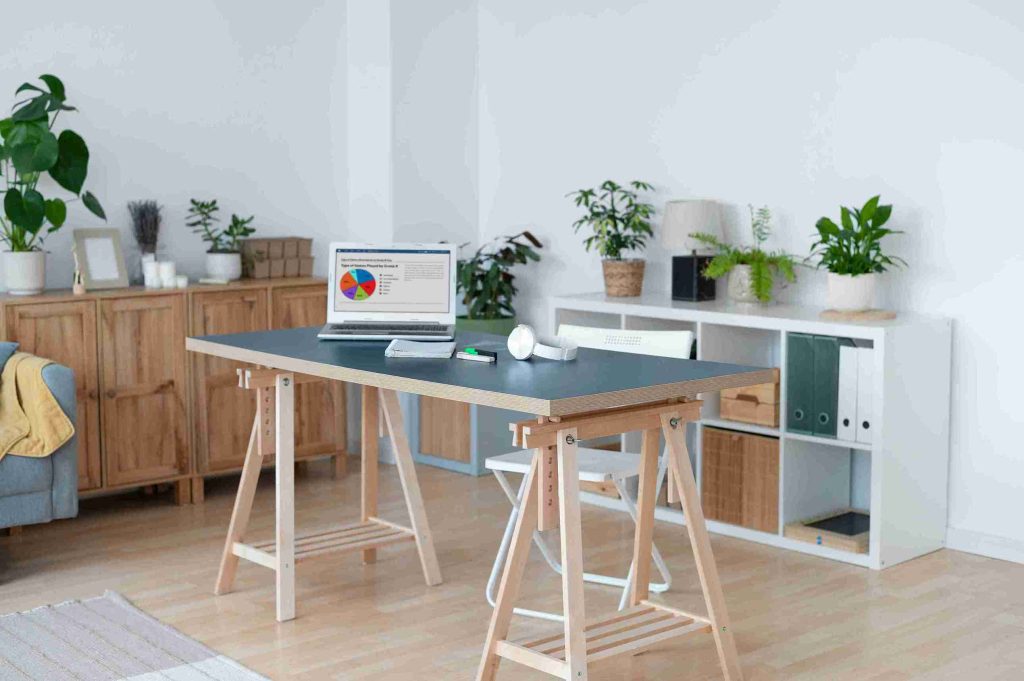
New York office interior design often requires smart spatial planning due to limited square footage and high rental costs. This leads companies to focus heavily on efficient floor layouts. Space optimization involves the strategic placement of workstations, meeting rooms, and shared areas to ensure every square foot is utilized effectively.
To implement this, consider flexible workstation arrangements and modular furniture. These solutions help adapt the space as team sizes shift. Incorporating built-in storage can also reduce clutter and maintain a visually open atmosphere. Sub-keywords such as office space planning in New York and small office layout design are highly relevant here. By prioritizing a layout that supports natural movement and workflow, offices can increase productivity and maintain a sense of harmony even in compact spaces.
2. Integrate Biophilic Elements to Enhance Well-Being
Another significant aspect of New York office interior design is the integration of biophilic elements. Biophilic design is rooted in the idea that humans function better when connected to nature. In dense metropolitan areas like New York City, this approach becomes even more essential because natural landscapes are limited.
Incorporating indoor plants, natural textures, and daylight-maximizing techniques can drastically improve the office environment. Plants not only add aesthetic value but also help regulate air quality and reduce stress. Natural finishes such as wood, stone, and organic fabrics create a calm atmosphere that counterbalances the hectic energy of the city. Companies focusing on sustainable office interior design will find biophilic features especially beneficial in achieving eco-friendly goals.
3. Embrace Hybrid Work Models Through Flexible Work Zones
The shift toward hybrid working has dramatically influenced New York office interior design. Offices are now expected to support a blend of in-person collaboration and remote productivity. This calls for a layout that includes multiple work zones, each designed for different functions.
These zones may include quiet focus areas, communal collaborative spaces, and technology-enhanced meeting rooms. Flexible furniture, movable partitions, and multifunctional desks enable rapid reconfiguration based on changing team activities. Incorporating tech-forward solutions such as wireless conferencing setups and interactive displays ensures seamless hybrid communication. The trend toward flexible workplace interiors in New York continues to grow, driven by employee expectations and organizational needs.
4. Use Modern Lighting Strategies to Improve Performance

Effective lighting is one of the most powerful components of New York office interior design. The right lighting strategy can enhance mood, focus, and overall well-being. Since not all office buildings have abundant natural light, especially those in dense high-rise districts, lighting must be thoughtfully engineered.
Modern strategies include layered lighting with ambient, task, and accent illumination. LED systems with adjustable color temperatures help mimic natural daylight, supporting employees’ circadian rhythms. Offices can also incorporate glass partitions and open ceilings to increase light distribution. Using advanced lighting controls allows teams to personalize brightness levels for individual work zones. Lighting has become a critical factor in professional office interior design in New York due to its direct impact on productivity.
5. Highlight Corporate Identity Through Thoughtful Branding
Branding is essential in creating a cohesive and memorable workspace. New York office interior design often emphasizes brand identity because companies in the city compete for both clients and talent. A well-designed office should reflect the company’s personality, values, and mission.
Branding elements may include custom wall graphics, branded color palettes, curated artwork, or distinctive architectural details. These features should be integrated subtly yet meaningfully throughout the office. When employees feel connected to their workplace culture, engagement and loyalty tend to rise. Sub-keywords such as corporate interior design New York and workplace branding strategies align strongly with this section.
6. Invest in Ergonomic and High-Quality Furniture
High-quality furniture plays a major role in creating an efficient and comfortable workspace. New York office interior design recommendations frequently stress ergonomics because the city’s corporate environment demands long hours and intense focus. Investing in supportive chairs, adjustable desks, and well-designed conference seating can significantly reduce fatigue and improve overall employee well-being.
Ergonomic offices not only help prevent workplace injuries but also foster better posture and sustained concentration. Additionally, choosing durable materials ensures longevity, which is crucial given the high usage rates in New York corporate offices. Companies should also consider furniture that complements the overall aesthetic, blending comfort with visual appeal.
7. Incorporate Technology-Driven Design for a Future-Ready Workspace

Technology is at the core of modern workplaces. In the context of New York office interior design, incorporating advanced technology is essential for staying competitive. Smart office systems such as automated climate control, occupancy sensors, energy-efficient management tools, and advanced security systems create a seamless and future-ready work environment.
Digital collaboration tools and high-speed connectivity support modern workflows. Interactive presentation spaces and AI-powered scheduling systems are becoming increasingly common. Offices that adopt these innovations gain an edge by boosting operational efficiency and enhancing the employee experience. Sub-keywords such as smart office design NYC and tech-integrated interior planning are highly relevant here.
Conclusion
New York office interior design continues to evolve as companies seek spaces that inspire innovation, support hybrid work models, and reflect strong brand identities. By following the seven recommendations outlined above, businesses can create a workspace that is functional, aesthetically engaging, and aligned with the expectations of modern employees.
Whether through biophilic elements, technology integration, or ergonomic selections, every design choice contributes to a healthier and more productive environment. As the city’s corporate landscape grows more competitive, thoughtful office design becomes not only valuable but essential.
Read More: 8 Recommended Free Home Kitchen Design Consultation Services for Homeowners