Interior design trends constantly evolve, reflecting cultural shifts, technological advancements, and lifestyle changes. Staying updated with current interior design trends allows homeowners and designers to create spaces that are both functional and visually appealing.
From sustainable materials to bold color palettes and smart home integration, interior design trends influence every aspect of modern living. This article explores the most significant interior design trends, offering insights and practical tips to enhance residential and commercial spaces.
1. Sustainable and Eco-Friendly Materials
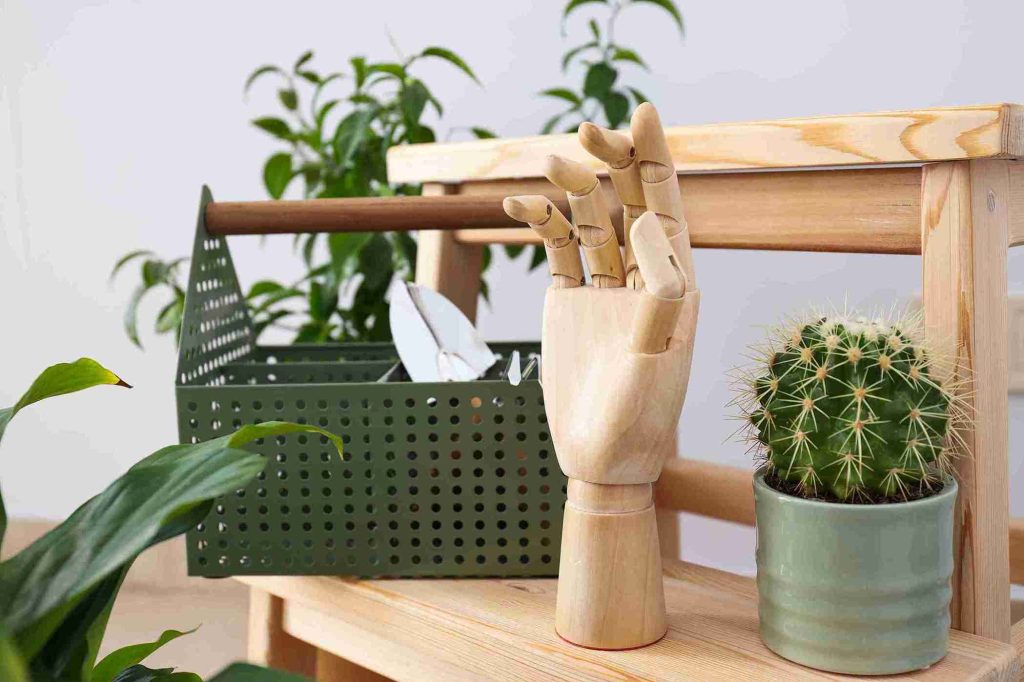
Sustainability is a leading consideration in contemporary interior design trends. Homeowners increasingly prioritize eco-friendly materials such as bamboo, reclaimed wood, recycled metal, and low-VOC paints. Furniture crafted from sustainable sources, energy-efficient lighting, and natural textiles contribute to environmentally responsible interiors.
Incorporating these materials not only reduces the ecological footprint but also enhances the aesthetic appeal by introducing organic textures and natural warmth. Designers recommend combining sustainable materials with modern minimalism to achieve balanced, eco-conscious spaces.
2. Biophilic Design
Biophilic design is an interior design trend that emphasizes connection with nature. Incorporating indoor plants, living walls, natural light, and organic textures enhances well-being and creates a calming environment. Materials such as stone, wood, and rattan, along with water features, reinforce the connection to nature.
Biophilic design encourages a healthy lifestyle by improving air quality and promoting mental wellness. It seamlessly integrates with other trends, including sustainable materials and minimalist aesthetics, resulting in modern interiors that feel both vibrant and harmonious.
3. Multifunctional Spaces
With changing lifestyles, multifunctional spaces are increasingly popular in interior design trends. Homes and offices are being adapted to accommodate work, leisure, and entertainment within the same area. Modular furniture, foldable desks, and hidden storage solutions allow spaces to serve multiple purposes without compromising aesthetics.
Interior designers recommend flexible layouts that maximize usability, particularly in apartments and urban homes where space is limited. Multifunctional interiors align with modern lifestyle demands while maintaining design coherence.
4. Bold Colors and Statement Walls
Bold colors are making a resurgence in interior design trends, offering an opportunity to create focal points and express personality. Statement walls, painted in vibrant hues or covered with textured wallpapers, add depth and visual interest to rooms.
Deep blues, emerald greens, and rich terracotta tones are particularly popular, often combined with neutral backdrops for balance. Accent furniture and decor can complement these color schemes, creating cohesive, dynamic interiors. Using bold colors thoughtfully enhances mood and emphasizes key design features in living spaces.
5. Minimalism with Warm Accents
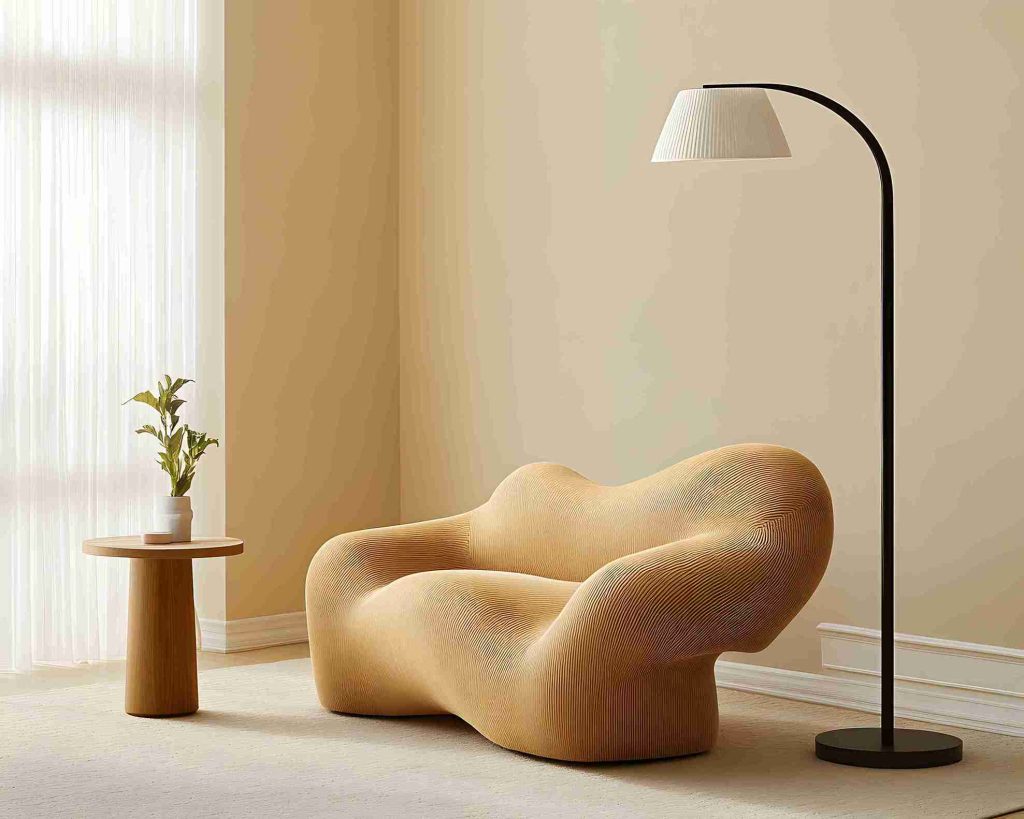
Minimalism continues to dominate interior design trends, but modern minimalism now incorporates warmth and comfort. Clean lines, uncluttered spaces, and functional furniture remain core principles, while soft textiles, warm lighting, and natural textures prevent interiors from feeling sterile.
Neutral color palettes paired with wooden elements, plush rugs, and layered textiles create inviting minimalist spaces. This approach balances simplicity with emotional appeal, allowing interiors to feel both elegant and comfortable.
6. Smart Home Integration
Interior design trends increasingly incorporate smart home technologies to enhance convenience and efficiency. Automated lighting, climate control, security systems, and integrated audio-visual equipment streamline daily activities. Smart furniture with charging stations, modular setups, and IoT-enabled devices seamlessly integrate technology into the design.
These solutions complement modern interior trends by blending functionality, sustainability, and aesthetics. Properly implemented smart systems contribute to an intuitive and comfortable living environment.
7. Textures and Mixed Materials
Mixing textures and materials is a key trend in contemporary interiors. Combining soft fabrics with hard surfaces, such as velvet cushions on concrete floors or wooden panels with glass accents, adds depth and visual intrigue.
Layering textiles, rugs, throws, and decorative accessories creates a sense of richness and sophistication. Designers emphasize balance, ensuring that contrasting materials harmonize rather than clash. This approach allows for tactile engagement, making interiors visually stimulating and comfortable to inhabit.
8. Curved Furniture and Organic Shapes
Curved furniture and organic shapes have become a prominent interior design trend. Sofas, chairs, and tables with soft, rounded edges break the rigidity of linear designs, promoting fluidity and comfort. Organic shapes draw inspiration from nature and create visually pleasing, approachable interiors.
This trend pairs well with minimalist and biophilic designs, enhancing the natural flow of spaces. Interior designers use curves strategically to soften interiors and provide contrast to geometric architectural elements.
9. Textured Walls and 3D Panels
Textured walls and three-dimensional panels are gaining attention in interior design trends. Materials such as wood, plaster, and composite panels introduce depth, shadow, and tactile interest. Feature walls with geometric or organic patterns create focal points and elevate the room’s aesthetic without relying on excessive decor. This approach works effectively in living rooms, bedrooms, and offices, providing a sense of luxury and modern sophistication.
10. Vintage and Retro Elements
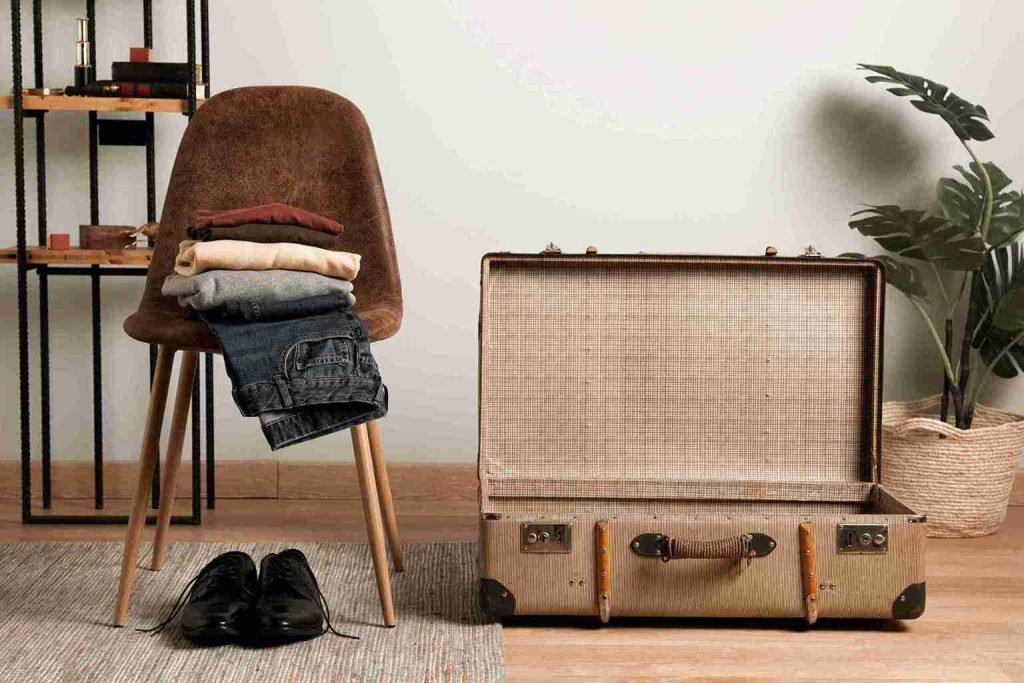
Integrating vintage or retro elements is a growing interior design trend, adding character and nostalgia to modern spaces. Mid-century furniture, antique lighting fixtures, and retro textiles provide visual contrast and historical context.
When combined with contemporary design, these elements create eclectic interiors that are both stylish and personalized. Designers recommend selective use of vintage pieces to maintain balance while adding unique charm and personality to the home.
11. Open-Plan Layouts
Open-plan layouts remain a central trend in interior design, promoting interaction and flexibility. By minimizing walls and partitions, open spaces enhance natural light, improve circulation, and accommodate multifunctional living areas. Combining open layouts with defined zones using furniture arrangement, rugs, or color accents allows for functional separation while maintaining spatial cohesion. This trend is particularly effective in modern urban homes where maximizing space and fluidity is essential.
12. Artisanal and Handcrafted Details
Artisanal and handcrafted details are becoming increasingly popular in interior design trends. Custom-made furniture, handwoven textiles, and locally sourced decorative items bring uniqueness and cultural significance to interiors.
These elements introduce texture, authenticity, and a human touch that enhances warmth and personality in modern spaces. Designers encourage mixing handcrafted pieces with contemporary furniture to create a balanced, visually rich environment.
13. Sustainable Lighting Solutions
Sustainable lighting is an essential aspect of interior design trends, emphasizing energy efficiency and eco-conscious aesthetics. LED lighting, solar-powered fixtures, and smart controls reduce energy consumption while enhancing ambiance.
Layered lighting strategies, including ambient, task, and accent lighting, create dynamic and functional interiors. Sustainable lighting solutions support environmentally responsible living while complementing modern design sensibilities.
14. Flexible Storage Solutions
Flexible storage is critical in contemporary interior design trends, ensuring organization and aesthetic coherence. Modular shelving, built-in cabinets, and multifunctional furniture help maximize space while maintaining clean, uncluttered interiors.
Designers recommend personalized storage solutions tailored to specific rooms, such as kitchens, offices, and living areas, to optimize usability without sacrificing style. Effective storage design contributes to both functionality and visual harmony.
15. Indoor-Outdoor Integration
Connecting indoor and outdoor spaces is a growing interior design trend. Large windows, sliding doors, terraces, and gardens create a seamless transition between the interior and exterior. Indoor-outdoor integration enhances natural light, improves airflow and provides additional functional living space.
Materials and design elements should harmonize across both environments to create continuity. This trend reflects a modern lifestyle focused on comfort, openness, and connection with nature.
Conclusion
Interior design trends continue to evolve, offering diverse strategies for enhancing aesthetics, functionality, and comfort. From sustainable materials and biophilic design to bold colors, curved furniture, and smart home integration, modern interiors reflect contemporary lifestyle priorities. Combining textures, vintage elements, open layouts, and artisanal details ensures that spaces are personalized, visually engaging, and practical.
Staying informed about interior design trends allows homeowners and designers to create cohesive, modern, and inviting environments that meet both aesthetic and functional needs. By thoughtfully applying these trends, interiors can achieve a timeless appeal while adapting to evolving lifestyles.