Croome House stands as one of England’s most influential country estates, representing a pivotal moment in the history of architecture and landscape design.
Located in Worcestershire, this historic property reflects the intellectual vision of the eighteenth century, when harmony between buildings and nature became a defining principle of elite estates. Its legacy continues to attract historians, architecture enthusiasts, and visitors seeking a deeper understanding of Britain’s cultural heritage.
Historical Background and Origins
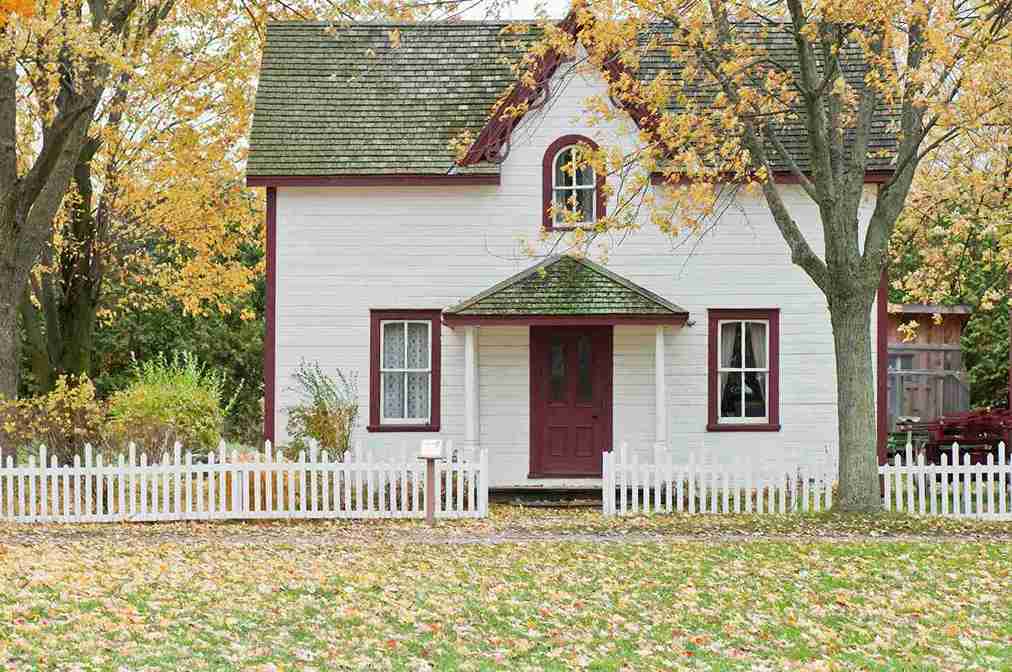
The origins of the estate can be traced back to the early eighteenth century, when it was commissioned by the Earl of Coventry as a symbol of social status and refined taste. At a time when formal gardens dominated aristocratic estates, the designers involved in this project chose a different path. The house and its surrounding grounds were conceived as a unified composition, emphasizing natural contours rather than rigid geometry.
This approach marked a turning point in English landscape history. Instead of imposing symmetry, the estate embraced open vistas, gentle slopes, and carefully placed architectural features that appeared effortless yet were meticulously planned. As a result, the property became a reference point for later country houses across England.
Architectural Significance
The architectural design of the main house reflects the Palladian style that was popular among the English aristocracy during the period. Clean lines, balanced proportions, and classical influences define the structure, giving it a sense of restraint and dignity. The interiors were designed to complement the exterior, with rooms arranged to provide both comfort and ceremonial function.
Croome House is particularly notable for the way its architecture interacts with the surrounding landscape. Large windows and carefully positioned terraces frame views of the gardens and parkland, reinforcing the idea that the building is an integral part of its environment rather than a separate monument.
Landscape Design and Innovation
One of the estate’s most enduring contributions lies in its landscape design. The grounds were shaped by ideas that would later define the English landscape garden movement. Instead of formal parterres, visitors encounter rolling lawns, serpentine lakes, and strategically placed trees that create a sense of natural beauty.
This philosophy transformed how estates were designed across Britain. The landscape surrounding Croome House became a living demonstration of how art and nature could coexist. Bridges, follies, and garden structures were introduced not as decorative excesses, but as focal points that enhanced the overall experience of the land.
Cultural and Social Role
Beyond its physical beauty, the estate played an important social role in its time. It served as a gathering place for intellectuals, artists, and members of the aristocracy. Conversations held within its walls and gardens reflected broader changes in British society, including evolving attitudes toward nature, art, and power.
The house was also a working estate, supported by agricultural activity and local labor. This relationship between elite culture and rural life provides valuable insight into the economic and social structures of eighteenth-century England.
Preservation and Modern Stewardship
Over the centuries, the property faced periods of decline, as many historic estates did. Changing economic conditions and shifting social priorities made it difficult to maintain such large properties. However, careful preservation efforts have ensured that Croome House remains accessible to the public today.
Modern stewardship focuses on conservation rather than reconstruction. Restoration projects aim to respect original materials and design principles while ensuring safety and sustainability. These efforts allow visitors to experience the estate in a way that is both authentic and educational.
Visitor Experience and Educational Value
Today, the estate functions as an important cultural and educational site. Visitors can explore the interiors of Croome House, walk through its landscaped grounds, and learn about the ideas that shaped its creation. Interpretive programs and exhibitions provide context, helping audiences understand why the estate mattered in its own time and why it continues to matter now.
The experience is not limited to architecture enthusiasts. Families, students, and casual visitors often find value in the peaceful environment and historical storytelling. By engaging multiple senses, the estate creates a lasting impression that extends beyond a simple tour.
Influence on British Heritage
The influence of Croome House extends far beyond its physical boundaries. Its design principles inspired countless estates and contributed to a broader shift in how landscapes were perceived. The idea that nature could be shaped to appear natural became a defining feature of British gardens and parks.
This legacy is particularly evident in later country houses that adopted similar layouts and philosophies. By studying this estate, historians gain insight into the origins of a style that would become synonymous with English identity.
Relationship to Croome Court and Surroundings
The estate is often discussed in connection with Croome Court, the broader area that encompasses the house, parkland, and surrounding features. This wider context helps explain how the property functioned as a complete environment rather than an isolated building.
Understanding this relationship reveals the careful planning behind every aspect of the estate. From approach roads to distant sightlines, each element was designed to guide movement and perception, creating a coherent experience for residents and guests alike.
Lasting Relevance in the Modern Era
In an age of rapid development and urban expansion, historic estates like Croome House offer a reminder of alternative ways of relating to the land. They demonstrate that design can prioritize balance, beauty, and long-term vision over short-term utility.
The continued interest in the estate reflects a broader desire to reconnect with heritage and craftsmanship. As discussions about sustainability and landscape management grow more prominent, the principles embodied by this historic property remain surprisingly relevant.
Conclusion
Croome House represents more than an elegant country residence. It is a milestone in architectural and landscape history, a cultural landmark, and a source of inspiration for future generations. Through careful preservation and thoughtful interpretation, its story continues to be told, offering valuable lessons about creativity, stewardship, and the enduring relationship between people and place.
By exploring its history, design, and influence, visitors and readers alike gain a deeper appreciation for the ideas that shaped one of England’s most significant estates and ensured its lasting place in the nation’s heritage.