Home design shapes the way individuals feel, move, and interact within their personal environments. Rather than simply arranging furniture or choosing paint colors, the process reflects an intentional pursuit of comfort, identity, and long term livability. As lifestyles evolve and homes become multifunctional spaces, home design plays an increasingly influential role in creating environments that support productivity, relaxation, and personal expression. A well designed home becomes more than a structure. It becomes a sanctuary.
Exploring the Emotional Impact of Home Design
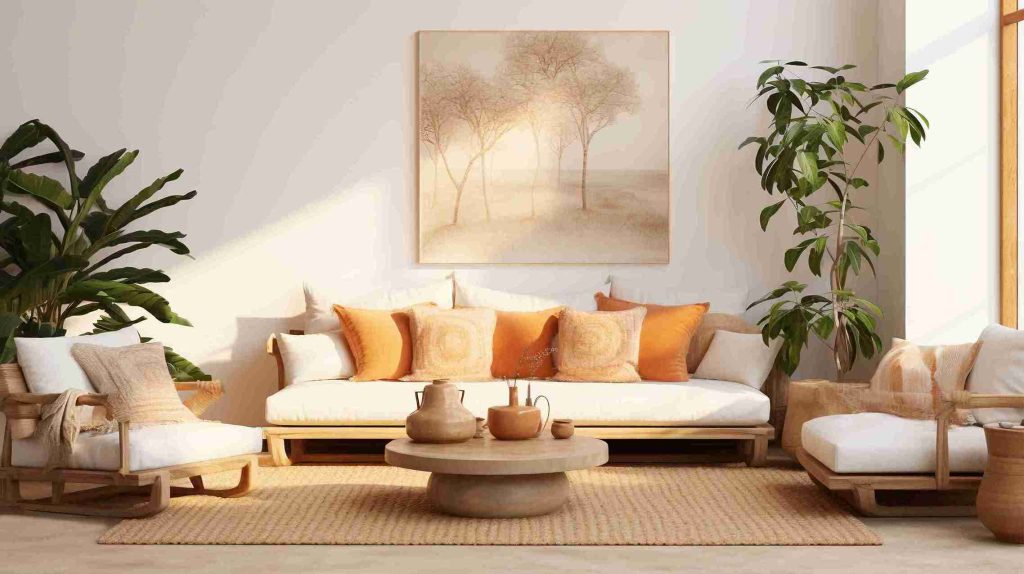
Designers frequently highlight that home design influences more than physical comfort. It directly affects emotional well being. The layout, lighting, textures, and color palette can create calmness, stimulation, confidence, or warmth. Homes that are carefully crafted to reflect the owner’s personality tend to foster a stronger sense of belonging.
Color psychology demonstrates this clearly. Soft neutrals promote relaxation, while deep tones introduce elegance and intimacy. Natural materials like wood and stone create grounding effects, making spaces feel stable and organic. When homeowners understand the emotional dimension of design, they can create environments that support their daily mood and overall quality of life.
Incorporating Personal Narrative Into Home Design
A compelling home design incorporates personal stories. Instead of copying a trend or following uniform styles, homeowners benefit from exploring what memories, interests, or values they want their space to convey. A living room can showcase artwork collected during travels. A reading corner may reflect intellectual passions. A kitchen may highlight a family’s love for cooking or gatherings.
This narrative based approach helps transform spaces into reflections of personal identity. When thoughtfully executed, every room holds meaning. The home becomes a place that inspires creativity, strengthens connections, and maintains continuity with personal history. This deeper level of design allows homeowners to feel truly grounded in their own space.
Identifying Signature Aesthetic Styles
Home design offers diverse aesthetic directions, and choosing the right one helps ensure cohesion throughout the house. Modern design highlights clean lines and minimalist forms. Traditional design embraces warmth and detailed craftsmanship. Transitional styles combine classic comfort with contemporary simplicity, resulting in balanced and timeless living environments.
Homeowners can also explore eclectic, Scandinavian, industrial, or coastal aesthetics depending on their preferences. What matters most is selecting a direction that aligns with the home’s structure and the homeowner’s lifestyle. A cohesive aesthetic ensures that rooms connect visually and emotionally, preventing disjointed transitions and creating a smooth design narrative.
Using Space Intentionally for Modern Living
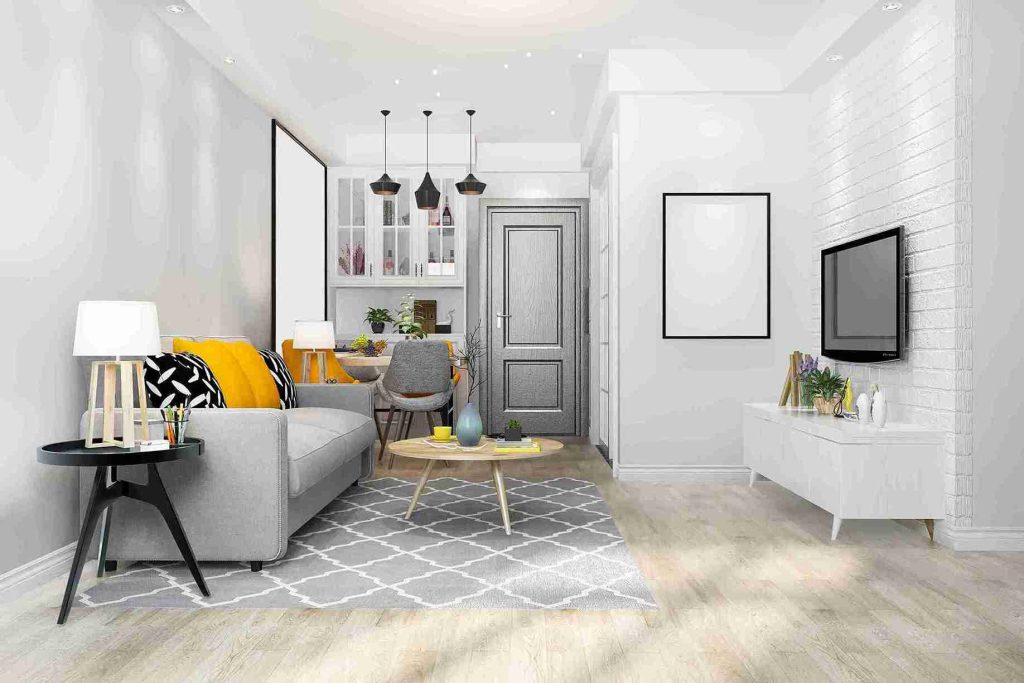
Modern living demands flexibility. Many homes today serve multiple functions, especially with the rise of remote work and digital learning. Intentional use of space has become an essential part of home design. Rooms that once served a single purpose now need adaptable layouts.
For example, a study area may double as a guest room. A dining space may incorporate a small library. A living room may include modular furniture that can be easily rearranged for different activities. Smart zoning techniques make it possible to create distinctive areas within open layouts without constructing additional walls. Rugs, lighting variations, and furniture placement can subtly divide spaces, allowing each area to maintain its purpose while remaining connected to the whole.
Lighting as a Transformative Element in Home Design
Lighting plays a transformative role, shaping how a space feels and functions. Natural light enhances mood, increases productivity, and gives a room greater depth. Strategic placement of windows, mirrors, and reflective surfaces can amplify sunlight and brighten interior spaces.
Artificial lighting also deserves intentional planning. Ambient lighting creates general illumination, task lighting supports specific functions such as reading or cooking, and accent lighting highlights architectural features or decor pieces. Combining these three types of lighting creates dimension and sophistication. A thoughtful lighting plan enhances atmosphere while supporting the functional goals of each room.
Integrating Nature to Strengthen Design Harmony
Nature integration is a growing priority in contemporary home design. Biophilic elements such as indoor plants, natural fabrics, stone textures, or wood surfaces create a connection between the interior and the outdoors. This design approach improves air quality, introduces organic textures, and promotes relaxation.
Homes with access to outdoor spaces benefit even more. Courtyards, balconies, patios, and gardens act as extensions of the interior. When designed cohesively, these outdoor areas complement indoor aesthetics and provide additional space for leisure, reflection, or social activities. The seamless blend of nature and interior design results in environments that feel balanced, calming, and alive.
Material Selection for Durability and Aesthetic Depth
Material selection influences both the longevity and character of a home. Natural materials age gracefully, while engineered options provide durability and low maintenance. Homeowners should consider how materials behave over time. Hardwood develops a rich patina, ceramic tiles maintain their appearance under heavy use, and quartz countertops offer stain resistant surfaces ideal for busy kitchens.
Texture also adds depth to home design. Smooth finishes evoke modern elegance, while textured materials introduce warmth and visual interest. Layering materials helps create contrast and dimension, preventing flat or monotonous compositions. When chosen thoughtfully, materials provide structure, personality, and long lasting appeal.
The Advantage of Technological Integration
Technology enhances the convenience and efficiency of a modern home. Smart thermostats regulate temperature based on lifestyle patterns. Automated lighting adjusts according to time of day or activity. Security systems with remote monitoring increase peace of mind. Voice assisted devices streamline daily tasks.
However, technology should blend discreetly into the home design rather than dominate it. Concealed wiring, integrated speakers, and minimalist control panels help preserve visual harmony. When technology is integrated thoughtfully, it elevates both function and elegance without interrupting the overall aesthetic.
Creating Cohesion Between Rooms
One of the challenges in home design is ensuring that individual rooms feel connected without appearing repetitive. Cohesion does not mean uniformity. Instead, it involves selecting shared elements such as color undertones, material themes, or consistent architectural details that guide the design from one room to the next.
For example, a home may feature a recurring wood tone throughout various spaces or subtle variations of the same color palette. Decorative details such as trim, hardware finishes, or lighting shapes can also support visual continuity. This unified approach creates a harmonious flow, making the home feel well planned and thoughtfully curated.
Honoring Function While Celebrating Beauty
A compelling home design successfully balances practicality with aesthetics. Function should support daily living, while beauty enriches emotional experience. Storage, traffic flow, and ergonomic features ensure comfort in everyday routines. Meanwhile, artistic choices in color, form, and texture elevate the environment beyond mere utility.
The most successful designers understand that beauty and function are not opposites. When combined thoughtfully, they create homes that are both livable and inspiring. Homeowners benefit from choosing designs that accommodate their routines while offering visual pleasure and long term satisfaction.
Conclusion
Home design is far more than arranging rooms or selecting colors. It is a meaningful process that blends emotional expression, practical planning, aesthetic direction, and environmental harmony. Through intentional decisions about layout, lighting, materials, personal storytelling, and architectural influence, homeowners can create spaces that nurture well being and reflect authentic identity. A well designed home becomes a sanctuary that evolves with its occupants and supports their lives in deeply meaningful ways.