Home improvement is essential for maintaining the value, comfort, and functionality of any residential property. From small upgrades to major renovations, effective home improvement projects can transform living spaces, improve energy efficiency, and enhance aesthetic appeal.
Homeowners who prioritize home improvement gain both long-term financial benefits and improved day-to-day quality of life. This article explores comprehensive strategies, ideas, and tips for home improvement, guiding readers on how to implement projects that maximize space, functionality, and style.
1. Kitchen Renovations for Modern Living
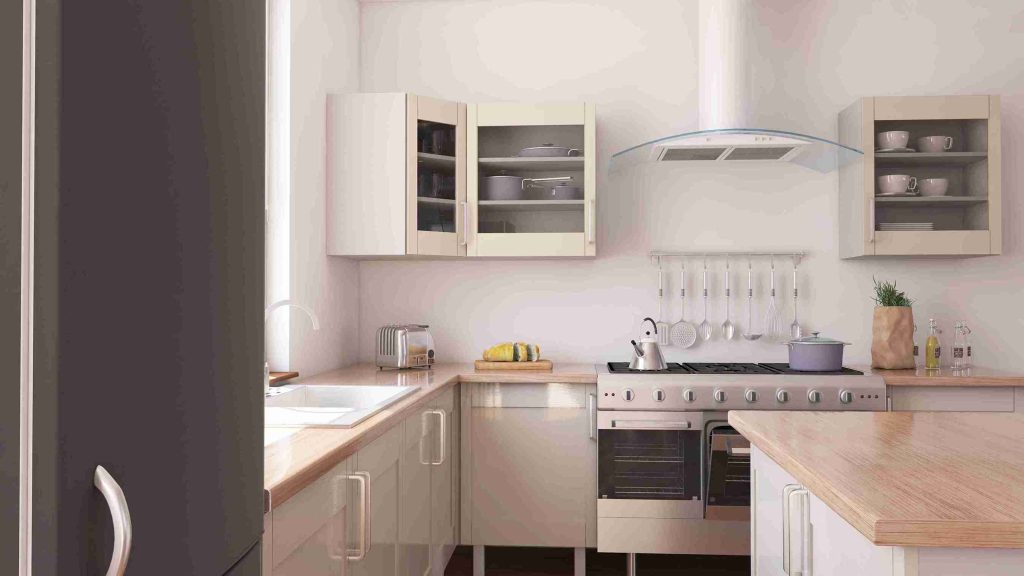
Kitchen renovation is one of the most impactful home improvement projects a homeowner can undertake. Modern kitchens not only serve as cooking areas but also as social and family gathering spaces. Updating countertops, cabinetry, and appliances can improve efficiency and visual appeal. Incorporating smart appliances, energy-efficient lighting, and durable surfaces enhances both functionality and sustainability.
Open floor plans and multifunctional kitchen islands optimize space, creating a layout that meets contemporary living standards. For homeowners, investing in kitchen renovation provides high return on investment while increasing daily convenience and enjoyment.
2. Bathroom Upgrades for Comfort and Style
Bathroom renovation is another critical aspect of home improvement. Upgrading fixtures, vanities, and flooring can significantly enhance both aesthetics and functionality. Walk-in showers, freestanding bathtubs, and modern faucets improve user experience while reflecting contemporary design trends. Incorporating water-saving fixtures and ventilation systems also improves efficiency and long-term sustainability.
Thoughtful lighting design, including layered and task lighting, creates a relaxing and functional environment. Homeowners who prioritize bathroom upgrades not only enjoy enhanced comfort but also increase the overall property value.
3. Energy-Efficient Home Improvements
Energy efficiency is a vital component of modern home improvement strategies. Installing high-performance insulation, energy-efficient windows, and smart thermostats reduces energy consumption and utility costs. Solar panels and energy-efficient appliances further contribute to long-term savings and environmental responsibility.
Homeowners can also improve efficiency by sealing air leaks, upgrading HVAC systems, and implementing programmable lighting controls. Prioritizing energy-efficient upgrades aligns with sustainable living goals while enhancing comfort and reducing long-term maintenance costs.
4. Flooring and Surface Enhancements
Updating flooring is a practical and visually impactful home improvement idea. Hardwood, engineered wood, luxury vinyl, and tile options allow homeowners to achieve both durability and style. Flooring not only affects the aesthetic appeal but also influences maintenance and functionality.
Modern flooring solutions provide easy cleaning, water resistance, and durability for high-traffic areas. Complementary surface upgrades, such as wall panels or backsplashes, reinforce cohesive design. Well-planned flooring and surface improvements create a polished and inviting atmosphere throughout the home.
5. Interior Painting and Color Strategies
Interior painting is an essential home improvement task that dramatically transforms living spaces. Choosing appropriate color palettes can influence mood, perceived space, and style consistency. Neutral tones, combined with accent walls or decorative elements, create visual interest and balance. Eco-friendly paints with low volatile organic compounds improve indoor air quality and environmental sustainability. Regularly updating interior colors also provides an opportunity to reflect current design trends, making spaces feel modern, refreshed, and welcoming.
6. Smart Home Technology Integration
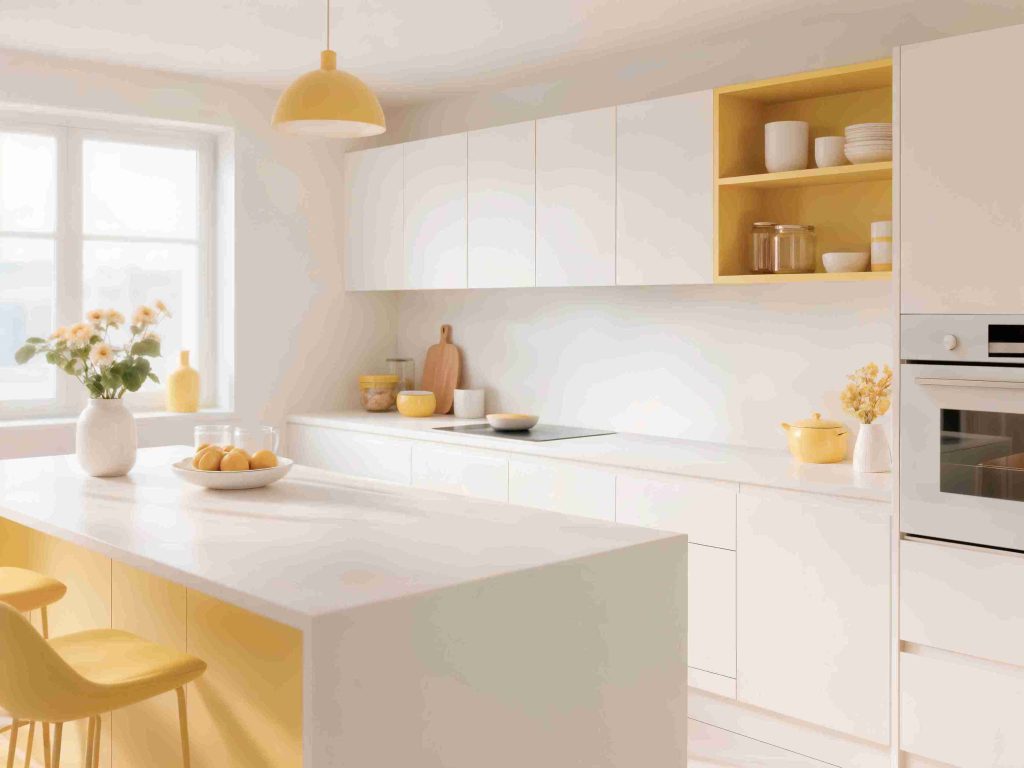
Integrating smart home technologies is a forward-looking home improvement strategy. Automated lighting, security systems, climate control, and smart appliances enhance convenience, safety, and energy efficiency.
Voice-activated controls and smartphone integration allow homeowners to manage multiple systems efficiently. Smart home integration supports modern lifestyle needs while increasing property appeal and functionality. For many homeowners, these improvements contribute to both immediate comfort and long-term investment value.
7. Outdoor Spaces and Landscaping
Enhancing outdoor areas is an often-overlooked aspect of home improvement. Landscaping, patios, decks, and outdoor kitchens expand functional living areas while boosting curb appeal. Choosing native plants, installing irrigation systems, and designing sustainable gardens ensures low-maintenance and environmentally conscious improvements.
Outdoor lighting, seating arrangements, and decorative elements further enhance usability and aesthetics. Well-planned outdoor home improvement projects create spaces for relaxation, entertainment, and family gatherings, adding significant value to any property.
8. Storage Solutions and Organization
Efficient storage and organization are crucial in home improvement efforts. Built-in shelving, under-bed storage, closet systems, and modular furniture reduce clutter while maintaining design cohesion. Properly organized spaces improve functionality, making daily routines smoother and more efficient.
Custom storage solutions can be tailored to specific rooms, such as kitchens, bathrooms, or home offices, enhancing usability without sacrificing style. Implementing these strategies allows homeowners to maximize space and maintain a visually appealing environment.
9. Roofing, Windows, and Structural Maintenance
Structural improvements are a critical component of long-term home improvement. Regular maintenance or upgrades to roofs, windows, and foundations prevent damage, improve energy efficiency, and extend the lifespan of the property. Installing modern, weather-resistant windows and reinforced roofing materials ensures durability while enhancing exterior aesthetics. Timely structural maintenance protects the home from environmental stressors, reduces repair costs, and maintains overall safety and comfort.
10. Personalized Home Decor and Finishing Touches
Adding personalized elements completes the home improvement process. Home decor items, artwork, lighting fixtures, and textiles reflect individual style and create a cohesive design narrative. Coordinated furniture layouts, color schemes, and accessories enhance both functionality and aesthetic appeal.
Homeowners can combine modern, traditional, or eclectic styles to suit personal preferences while maintaining harmony throughout the property. These finishing touches elevate the home from a functional living space to a well-curated, visually engaging environment.
Conclusion
Home improvement encompasses a wide range of strategies, from functional renovations and energy-efficient upgrades to aesthetic enhancements and personalized decor. Focusing on kitchens, bathrooms, smart home technologies, flooring, painting, outdoor spaces, storage solutions, structural maintenance, and finishing touches ensures that homes remain comfortable, stylish, and valuable.
By implementing these comprehensive home improvement strategies, homeowners can achieve practical benefits, long-term savings, and a refined living environment. Prioritizing thoughtful design and high-quality execution ensures that each improvement contributes to both immediate enjoyment and lasting property value.